On July 5, 1852, abolitionist Frederick Douglass gave a speech, “What to the Slave is the Fourth of July” in Rochester, New York. In it, Douglass reflected on the liberties the nation celebrated — and the freedoms denied to enslaved people. More than 170 years later, his words continue to resonate across generations.
Dozens of residents and local elected officials gathered at Swampscott High School on Thursday to recite the speech, taking turns reading passages aloud.
After the recitation, Swampscott poet Enzo Silon Suron led a discussion with the audience about what the Fourth of July means to them.
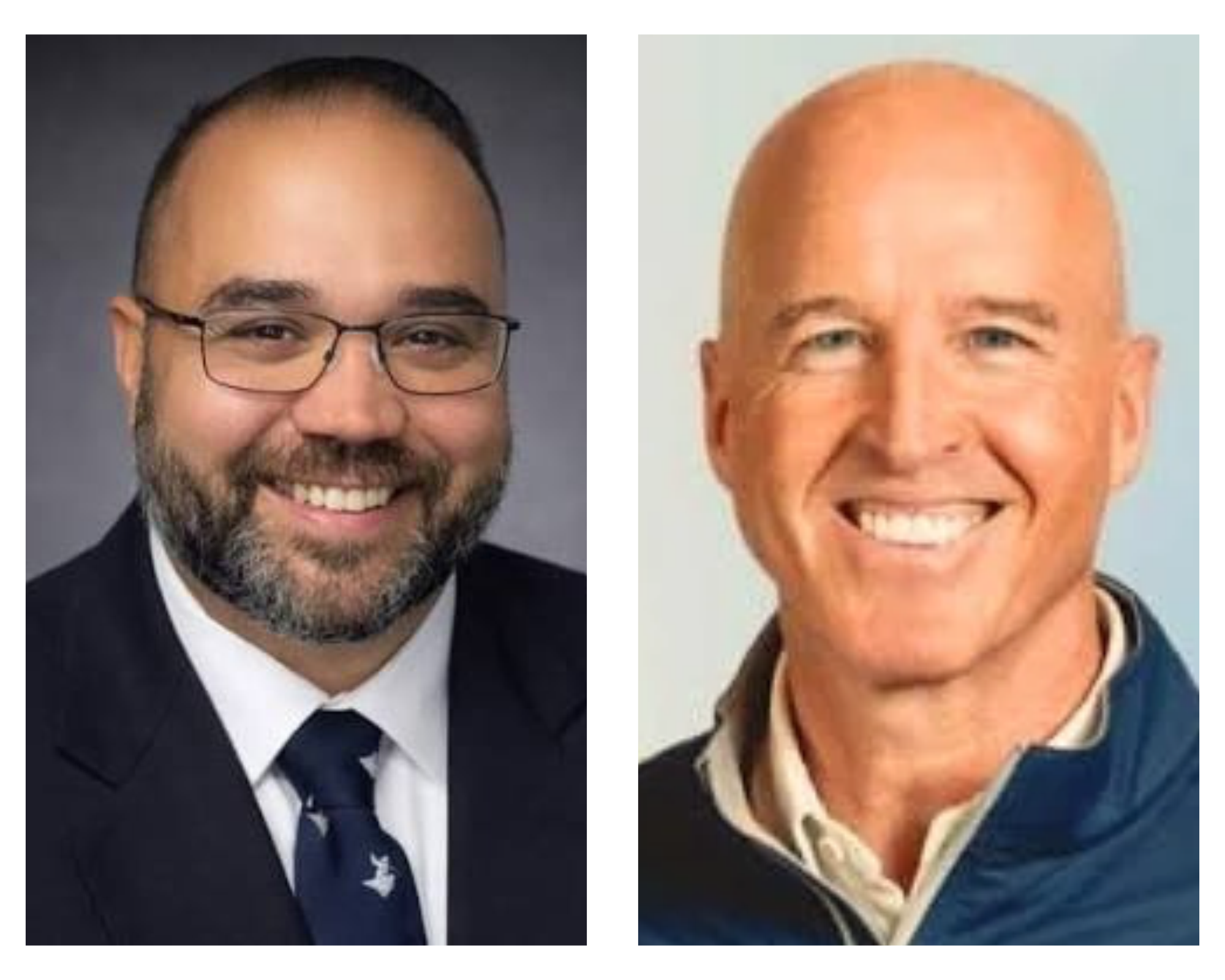
Along with Silon Suron, Massachusetts Attorney General Andrea Campbell spoke on the speech, as well as Douglass’ life and legacy.
“What to the Slave is Fourth of July feels more urgent than ever,” said Campbell. “What’s great about this speech, if you read it in its entirety, he does an incredible job of speaking about the experience of Black folks during that time.”
Campbell said the speech remains relevant because of what she described as an ongoing effort to “eradicate” the experiences of Black people in the U.S.
“It’s a reminder that each of us has a role to play, especially in the local communities to push our educational systems to teach the truth,” said Campbell. “Yes, we celebrate independence, and the history of Massachusetts in that independence, but it did not happen without the participation, and at times the oppression and terror…of Black folks.”
Campbell also said the state has filed more than 50 lawsuits against the current presidential administration that are intended to protect civil rights and freedoms.
“We do this work…because we want to uphold the rule of law in that very constitution that Frederick Douglass and so many others fought for,” said Campbell. “So we can actually realize the promise of that constitution for every single person in this country.
Author Tom Dalton, who wrote The Lynn Years, a book detailing Douglass’ time living in the city, also addressed the audience.
“It was in Lynn, I would argue, he becomes Frederick Douglass,” said Dalton.
Douglass was born into slavery with the name Frederick Bailey, later changing his last name. He lived in Lynn from 1841 to 1848.
Silon Suron said milestone anniversaries, such as the nation’s upcoming 250th anniversary, are not only opportunities to look back but also invitations to consider who the country is becoming.
“I hope we can receive this afternoon as a conversation and not simply a commemoration,” said Silon Suron.
He said a divided country is often a reflection of divided communities, and divided communities often mirror a deeper divide within neighbors.
“Today’s invitation is to listen,” said Silon Suron. “Not only to the brilliance of Frederick Douglass’ words but to the question they continue to ask us. The question isn’t simply what the Fourth of July meant in 1852. The question is whether we’re still willing to let the answers guide our conversations today.”