In an era of polarized national politics and declining civic trust, residents here still gather face-to-face in a high school auditorium to debate budgets, zoning, climate adaptation, and school funding in Swampscott.
Swampscott’s biannual Town Meeting isn’t unique in New England, but it is indicative of the broader democratic and political forces shaping communities far beyond the three-square-mile, seaside town.
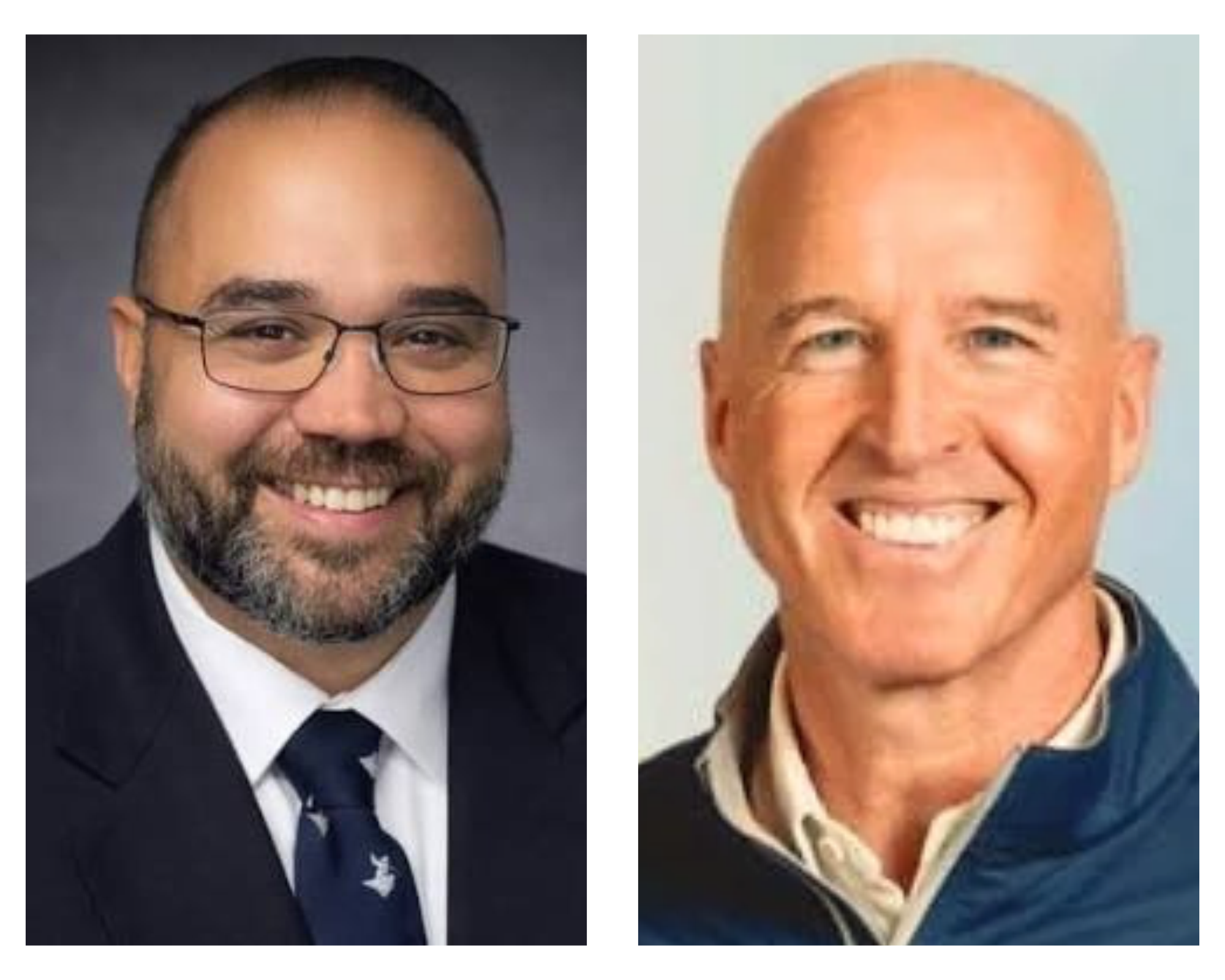
“I’ve seen almost a mimicry of what’s going on in Washington in local politics on occasion and in terms of how people interact with one another regarding politics,” said Jonathan Leamon, the vice chair of the Swampscott Historical Commission. “It’s certainly a turnoff for people, whether we attribute it to that or apathy about politics.”
Town Meetings have been part of New England’s political fabric since colonial times. While the origins of Town Meeting are debated, one theory is that it started 50 miles south of Swampscott in Plymouth, after the Mayflower landed, as a way to set new rules of governance.
Many historians have characterized the long tradition of Town Meeting as one of democracy’s most formidable and enduring examples. It is one of the only places where residents continue to meet face-to-face and deliberate over articles that will impact the town’s finances, development projects and regulations. A Town Meeting member recently described the role to the Swampscott Tides as being a “congressperson for a day.”
In Massachusetts, Town Meeting was seen as “the original and protean vessel of local authority,” as Kenneth Lockridge wrote in his book “A New England Town: The First Hundred Years.”
Swampscott hosted its first Town Meeting on June 5, 1852, just a month after the town separated from Lynn, according to Historical Commission Chair Nancy Schultz. Samuel Cloon Pitman was elected by 155 new Town Meeting members as the first town moderator.
Now, nearly 300 Massachusetts towns have some form of a Town Meeting. Swampscott, like other towns with more than 6,000 residents, hosts a representative Town Meeting, where people are voted in as Town Meeting members. Swampscott has 18 people elected per precinct each year to serve a three-year term, or a total of 324 Town Meeting members serving at once.
The representative Town Meeting, or “limited Town Meeting,” is common also in Connecticut, and it is permitted in Maine, Vermont and New Hampshire.
Other towns, like Swampscott’s neighbor Marblehead, use open Town Meetings, where any resident can vote throughout the night whenever they’d please.
“The engagement level is more consistent with representative Town Meetings. You got to show up at the beginning. You have to show up for the whole thing. I love that people tear the envelope open when the warrant shows up in the mail and review it and become prepared and engaged,” said Swampscott’s new Town Moderator Ryan Hale, “as opposed to what I’ve heard from some folks in Marblehead and other communities that have open Town Meeting, it’s very much more cherry picking the issues that matter. If there’s one article on the warrant that’s gotten a bunch of attention, people hang out in the meeting and when it gets close to the vote they text their friends and the parking lot fills up. You don’t have that consistency of dialogue, of engagement.”
Hale will preside over his first Town Meeting on Monday, May 14. In his role, Hale will ensure members follow procedures and keep decorum.
“I think that Town Meeting is very important in terms of people voting,” said Leamon, who has been a Town Meeting member for several years. “It’s the way that the town is governed and the way decisions are made, in the way of financial and projects and the general direction of the town.”
Articles placed on the warrant by the Select Board, other town committees or by a citizen’s petition range from the approval of the next fiscal year’s budget to re-allocating money for projects as well as deciding bylaws around zoning and public safety.
Yet, when local election turnout declines nationwide — and even elected members sometimes fail to attend Town Meeting — Hale is calling for more participation.
“We saw in the most recent local election turnout was rather low. Across the country, we are seeing people feeling disconnected from their role in democracy,” Hale said. “Town Meeting members – I hope they come and participate fully in the full event. People who are not yet a town meeting member and have vacancies in their precinct, they can consider getting on the ballot next time and becoming a Town Meeting member, and for the whole town, anything we can do to get people to be more aware of the issues that are in front of us and their ability to shape that…Participation is a key word there, and I hope to be able to move in the right direction.”
Leamon said Swampscott has not reached that point yet, but warned it would be “very unfortunate” if participation dropped so low that the town struggled to reach a quorum and maintain the tradition.
“I always felt that it was important to be involved in the decision making for the town,” Leamon said.