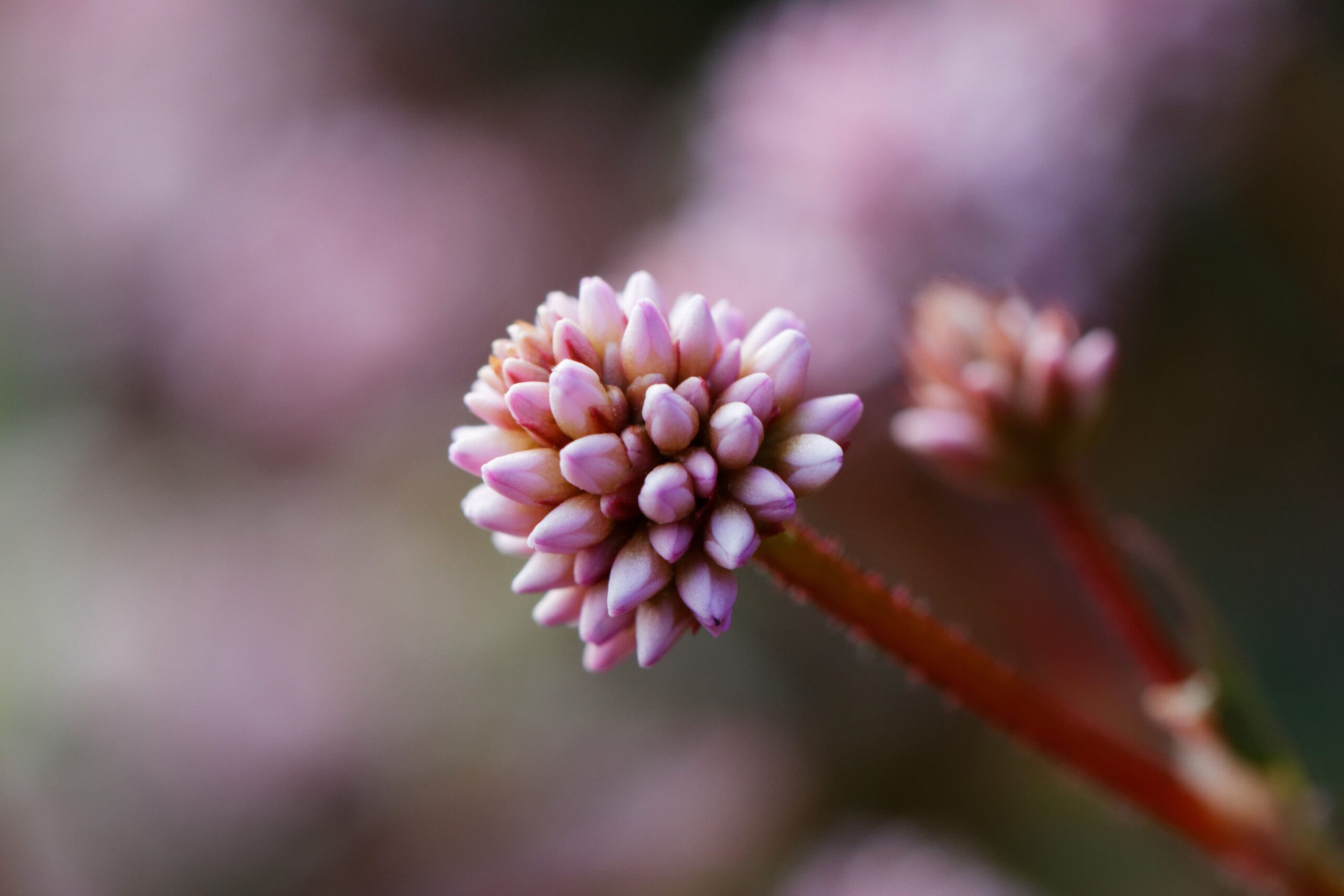
The Conservation Commission is looking to develop more concrete plans to address Japanese knotweed infestations throughout Swampscott.
The commission currently has a minor permit for Japanese knotweed removal on the town website, but members are looking to add guidelines and restrictions to ensure homeowners address infestations appropriately.
“It’s a very serious issue that the town is going to have to deal with,” said Conservation Commission Chair Toni Bandrowicz. “It’s really getting critical mass here.”
Japanese knotweed is a large, fast-growing perennial herb native to East Asia. It is highly invasive in North America and Europe. The plant forms dense thickets and has bamboo-like stems. It can grow in a wide range of habitats, from wetlands and roadsides to fence lines and ditches.
Bandrowicz noted that, in England, homeowners cannot sell their property “until you take care of the knotweed.”
There is also a large amount of knotweed on the Marblehead side of the Rail Trail, which the commission noted could “be on ours” once Swampscott’s sections are completed.
The discussion stemmed from Swampscott resident Jonelle Whitmore’s request for help addressing knotweed at her Windsor Avenue property.
Bandrowicz had met with Whitmore and discussed why cutting knotweed is typically unsuccessful.
“The only way to really get rid of knotweed is herbicide,” Bandrowicz said. “If you cut it, it spreads.”
The permit does note that the herbicide must be applied in accordance with labeled instructions and be safe for use in and near aquatic environments. The herbicide must be applied by the property owner or a licensed pesticide applicator.
Because knotweed has hollow stems, targeted spraying can be effective, the commission said. Members noted that a Pleasant View Avenue property owner had used the method and seen immediate results. The process, however, does become “very tedious.”
Swampscott’s current permitting process lists stem injections; foliar spraying; organic treatments such as coffee and vinegar; and hand cutting and removal.
Knotweed was also recently discussed at a Select Board meeting, when the board approved an earth removal permit for Swampscott Multi Owner LLC’s development in Vinnin Square. The Select Board had asked about a stockpile of loam containing Japanese knotweed.
The construction company told the board that its consultant was working to ensure that “whatever pesticides he decides to use doesn’t cause any additional environmental issues.”
Bandrowicz, who also serves on the Earth Removal Advisory Committee, said during the July meeting that knotweed has historically been an invasive problem in the Essex Street area.
Going forward, the commission will look at other towns’ plans for potential changes to Swampscott’s permitting process.
“We need to do something with the knotweeds and having the homeowners do something seems reasonable,” Bandrowicz said. “I feel that we can issue a permit to the home owner with certain restrictions consistent with the application.”