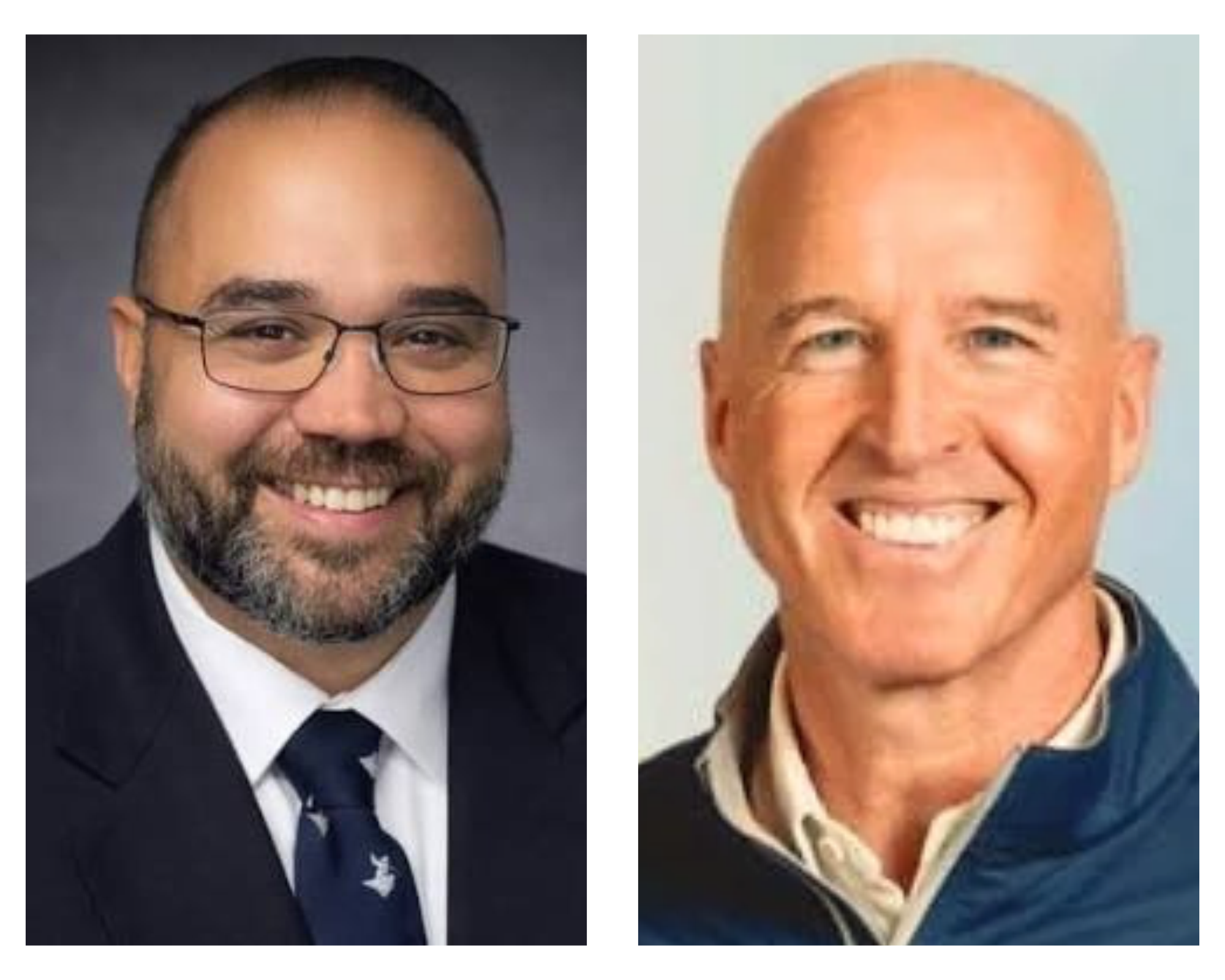
The Swampscott Public Library will lose access to its research databases on July 1 due to federal funding cuts, according to Director Jonathan Nichols.
“We’re going to be losing every single Gale database that’s funded by the state,” Nichols said. “Those are basically all of the academic databases that we have.”
The Institute of Museum of Library Services (IMLS) is facing budget cuts following an executive order by the Trump administration. On March 14, Trump issued an order calling for the elimination of several government entities, including the IMLS, to “the maximum extent consistent with applicable law.”
“Public libraries are essential infrastructure in every American community, and that especially is so during times of economic uncertainty,” the American Library Association said in a statement. “The elimination of federal funding for public libraries will be felt in every community across the country and particularly in rural areas.”
The IMLS was established in 1996 by Congress, and it serves as the largest source of federal funding for public libraries throughout the country. The group mission works to “advance, support, and empower America’s museums, libraries, and related organizations through grant making, research, and policy development.” Its Grants to States program helps small and rural libraries run. Some states have had their grants rescinded since Trump took office.
The organization provides a large portion of the budget for the Massachusetts Board of Library Commissioners (MBLC), which provides state-wide services to libraries. The MBLC said it “currently spends close to $2.2 million of its federal allocations to fund statewide research databases, an amount that cannot be made up in state funding.”
With the federal cuts, databases like the Gale biography, environmental studies, global issues, US and world history as well as interactive science will be discontinued.
MBLC is continuing databases like the Britannica Escolar, Britannica School and Gale Academic OneFile collections. The contracts will run for one year. The commissioners, however, note that this access is still “significantly reduced.”
“That’s a lot of information,” said Library Trustee Debbie Friedlander. “People come to the library, and they want to do some research. Now they’re not going to be able to do this, nor are they going to be able to get it any place…It may only affect 10, 15% but for those people it will be enormous.”
Nichols noted that the Boston Public Library is encouraging patrons to apply for an Ecard, which grants access to online resources, such as the digital library OverDrive and streaming service Hoopla. Anyone who lives, resides part-time to attend school, works or owns property in Massachusetts is able to apply for an eCard. Nichols added he believes the Boston library will also pay for Gale resources outside of federal and state funding to “retain as much normalcy as possible.”
“They’re going to be a weird stop gap for all of the libraries in Massachusetts,” Nichols said. “I think it’s a really nice thing that they’re doing. They’re the Boston Public Library, and they have more resources than we ever hope to have.”
The Swampscott Public Library has already updated its database website page to state that as of June 30 these resources will no longer be available, according to Nichols.
“It’s not political, just stating a fact,” Nichols said. “These are going away. We’re going to leave them up even though we don’t have access to them, just to kind of highlight what’s been lost.”
There have been legal actions to try and stop the dismantling of IMLS and in turn the effects on local libraries. The American Library Association and the American Federation of State, County and Municipal Employees have filed a lawsuit against Trump.
In May, a temporary restraining order by a federal judge ordered against the dismantling of IMLS as the case is considered. District court Judge John McConnell Jr. issued the injunction because Trump’s order “disregards the fundamental constitutional role of each of the branches of our federal government.”
“Unless something changes between now and July 1, come June 30 we lose access to all of them,” Nichols said. “We’re actively looking for other databases, not necessarily for a one-for-one replacement but just something to kind of stop gap for a while. The problem is money.”