Swampscott resident Steve Bushnell and other volunteers across Massachusetts are working to place a non-binding ballot question before voters that would encourage lawmakers to pursue carbon pricing legislation.
“We’re essentially trying to generate some legislative action around something called Clean Air CashBack, or putting a price on fossil fuels and providing cashback to residents within the state of Massachusetts,” Bushnell told the Swampscott Tides. “The idea of a cashback, dividend program has been around for a while.”
Carbon pricing would assign a cost to greenhouse gas emissions in an effort to reduce pollution and mitigate climate change, Bushnell said. The proposed policy question, called the Clean Air CashBack, would ask voters in the November election whether their state representatives should support legislation to place a fee on carbon content – from fossil fuels like coal and gasoline – and return proceeds to residents.
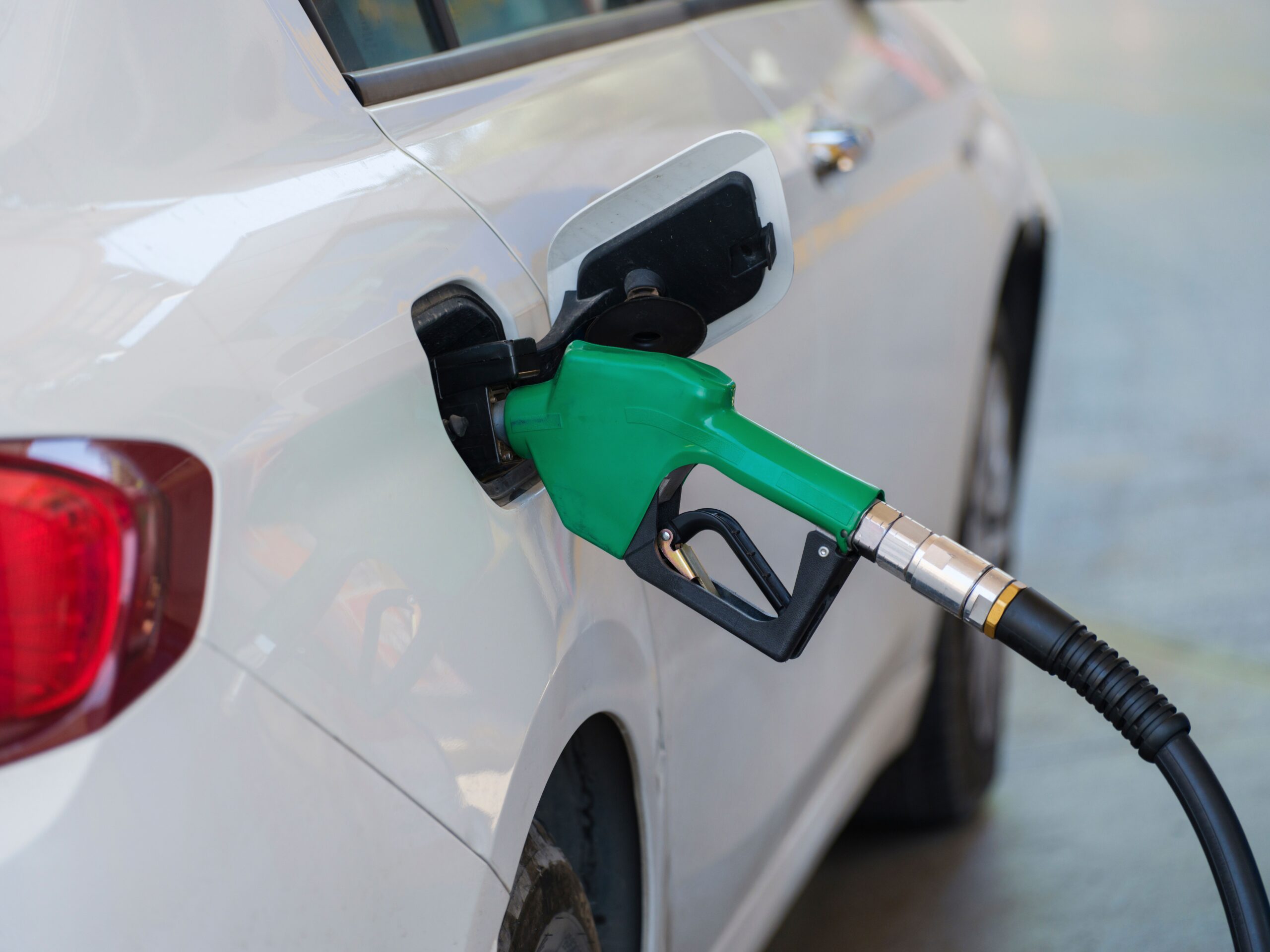
“It’s essentially putting a price on coal, natural gas like gasoline and diesel, and putting a fee on the source in Massachusetts, basically anyone who’s importing to the state or anyone who generates those things and sells them at wholesale,” Bushnell said. “We’re going to be affected by it because the idea is these companies are going to pass the fee on to whoever the buyer is. The utility will be paying more. Gas stations will be paying more. Residents who buy – the price of fossil fuel would increase. The idea is essentially by raising the prices you’re going to create a disincentive to use them because they’re too expensive.”
Massachusetts currently participates in a multi-state cap-and-trade program that prices carbon pollution from the electric power sector. The Commonwealth also has a separate cap-and-trade style program for in-state generators.
In 2013, State Sen. Mike Barrett filed a state-level carbon pricing bill to explore revenue-neutral carbon fees.
Five years later, in 2018, the State Senate passed An Act to Promote a Clean Energy Future, establishing market-based mechanisms across transportation as well as residential, commercial and industrial buildings.
In 2022, a non-binding public policy question on having a carbon fee, with “most of the proceeds” returning to residents as a cash-back, appeared on three House district ballots. The question asked whether representatives should support legislation to place a fee on carbon content and return the majority of the revenue to residents.
The question passed in two western Massachusetts districts (Northampton by 70% and Greenfield / Ashfield by 60%) but failed in the Worcester area (receiving 35% of the vote).
“These results indicate strong support in some regions more mixed support in others, and provide important context for expanding public education and refining language for 2026,” the Clean Air CashBack group wrote.
Enter Bushnell and a growing network of volunteers.
“I’ve always had a passion for the climate and climate change. Climate change is coming like a freight train,” Bushnell said. “I think this is just a really smart idea, and personally I first heard about this 10-15 years ago and I was like ‘This is the right thing to do.’”
Bushnell and other volunteers are gathering signatures across their districts in an effort to place the question on November ballots.
The proposed language for the non-binding public policy question on the 2026 ballot is: “Shall the representative from this district be instructed to introduce and vote for legislation that places a fee on carbon content of fossil fuels to compensate for their environmental pollution, and return the proceeds directly to residents as monthly Carbon CashBack payments?”
The question as it stands is advisory only and does not impose an immediate fee on carbon.
If voters approve the measure and lawmakers choose to act on it, the details of any carbon fee structure would still need to be determined. Bushnell said fossil fuel producers and distributors would likely bear the initial fee, though those costs could be passed on to consumers.
“You’d get a monthly check which comes directly from this, and you can either choose to use that money to pay for the fossil fuels…or most people will say I’m going to keep the money,” Bushnell said, adding that he believes people will put aside the money they are given back to “buy a better, more fuel efficient car. You’re really changing things on a system level by using a capitalistic approach if you will.”
The idea isn’t too foreign in other countries. In Canada, there is a federal carbon pricing system that returns proceeds directly to residents via a tax credit. Switzerland has one of the strictest federal carbon levels, generating between 1.2 and 1.4 billion CHF annually with about two-thirds returning to citizens and businesses. And in Sweden, energy sources were first taxed over a century ago, with an additional carbon tax instituted in 1991.
Locally, Bushnell said Swampscott residents would likely see higher gas and heating costs under such a program, though those increases would be – at least somewhat – offset in part by monthly CashBack payments.
“It’s a deal in some way,” Bushnell said. “It’s a unique idea. There’s nothing like it, but we do have tax refunds and things like that.”