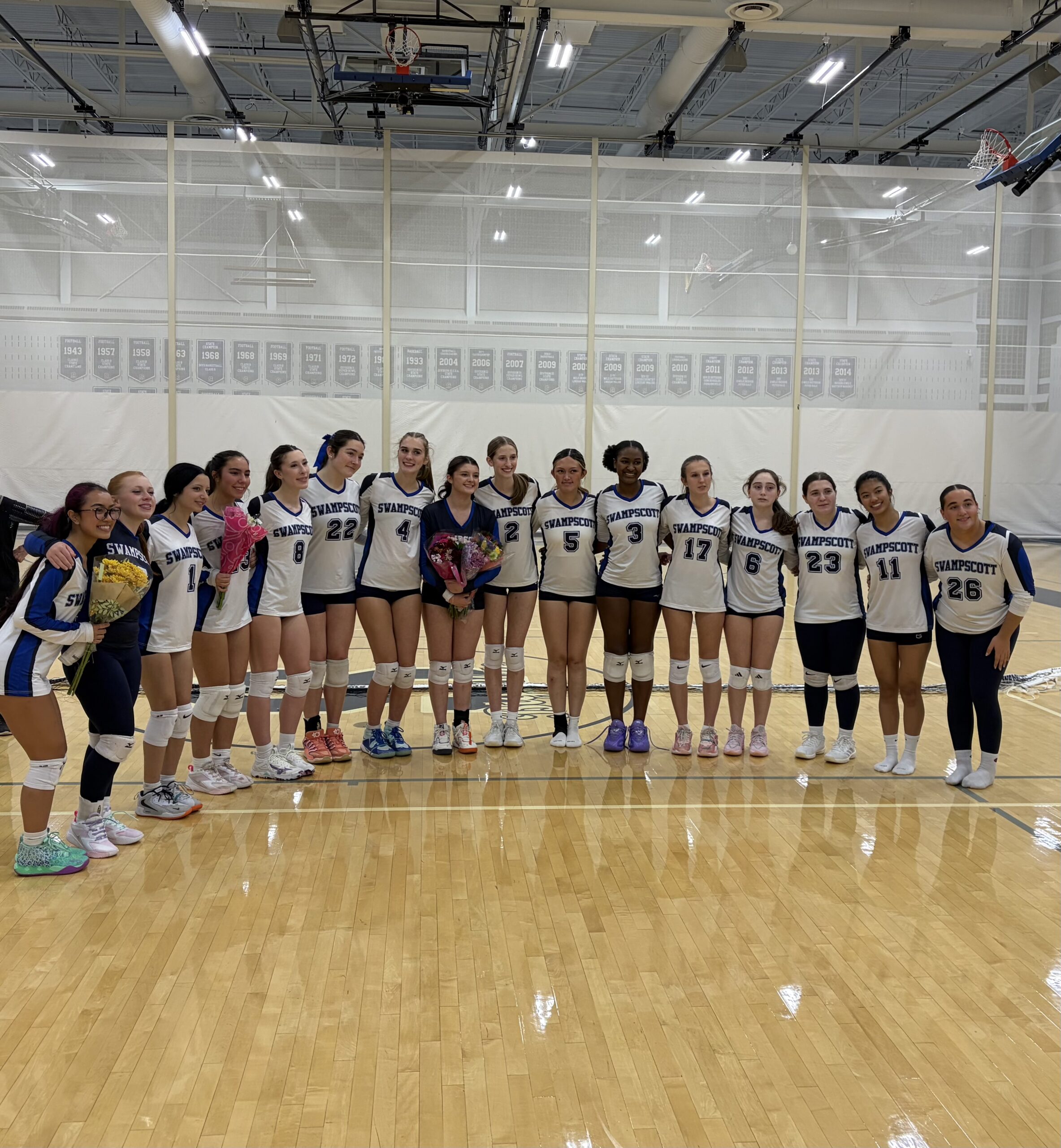
Save the Glover! raised more than $10,000 during two recent fundraising events to support the preservation of General John Glover’s Farmhouse.
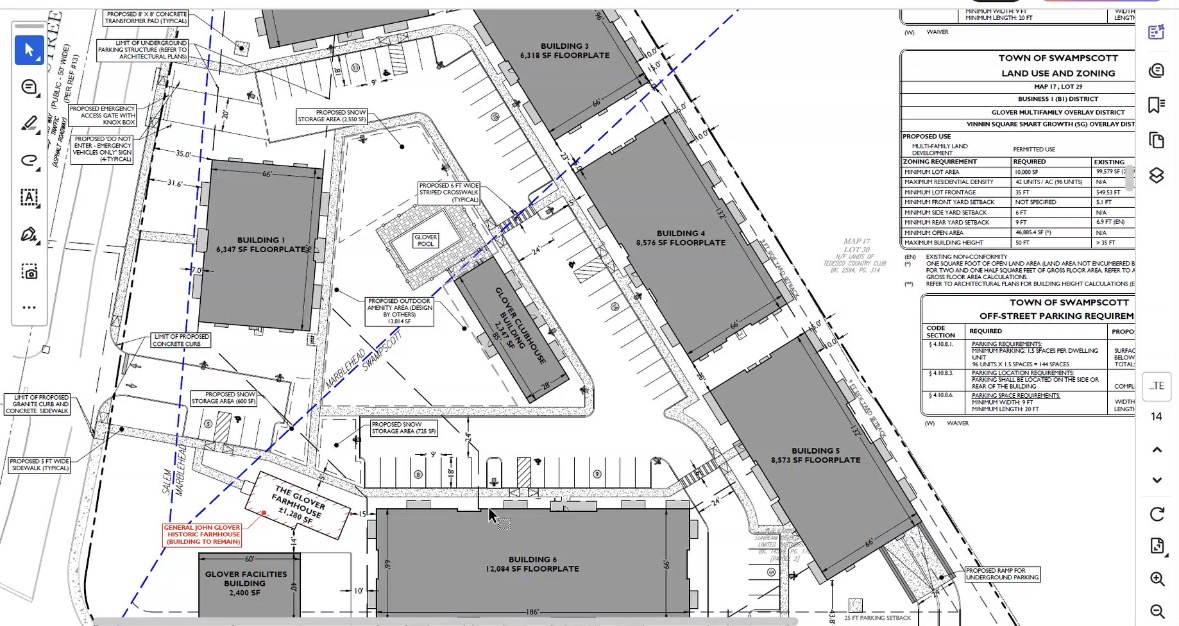
Glover’s farmhouse may be the town’s only intact, original-era link to the American Revolution. It is one of Swampscott’s oldest surviving homes and among the few remaining 18th-century structures in the region. The Historical Commission is working to raise funds to preserve the Glover Farmhouse and meet conditions outlined in National Development’s property plan. To date, the group has raised nearly $500,000 in donations and pledges toward its $2 million goal by the end of 2026.
On Saturday, January 24, a fundraiser event was held at the Marblehead VFW Post 2005, featuring musical quartet Scurvy Fellows Indeed, who dressed as authentic pirates and sang traditional sea chanteys. The band donated its entire tip jar to Save the Glover, and Glover’s Marblehead Regiment Member Seamus Daly contributed his share of the 50/50 raffle winnings
A week later, on Saturday, January 31, the Glover’s Marblehead Regiment held its annual march to Burial Hill, commemorating the 229th anniversary of General John Glover’s death on January 30, 1797. Some participants carried lanterns while others beat a steady rhythm on a field drum. The ceremony included brief remarks, followed by three musket volleys.
Glover was a hero of the American Revolutionary War. In 1775, Glover was elected lieutenant colonel of the 21st Massachusetts Regiment from Marblehead. After Colonel Jeremiah Lee’s death that April, Glover assumed command and led his troops to join the siege of Boston, where General George Washington chartered his schooner to raid British supply ships.
Known as “Glover’s Regiment,” the Marblehead militia later became the 14th Continental Regiment, composed of about 500 local mariners and militiamen. The group famously saved Washington’s army from entrapment after the Battle of Long Island and later delayed British forces at the Battle of Pell’s Point.
“He was a cordwainer, a fisherman, a merchant and a community leader,” Capt. Larry Sands said at the march. “Yet when the colonies called for resistance, he stepped forward with the same resolve that defined the seafaring people of Marblehead.”
According to Sands, the regiment was an “integrated group,” including sailors, fishermen, free Black men, Indigenous people, Jewish residents, and immigrants. Sands noted that “such unity was rare” at the time.
Glover is perhaps most famously remembered for leading his regiment in rowing General Washington across the Delaware River on the night of December 25, 1776. The crossing culminated in a surprise attack on Hessian mercenaries in Trenton.
After the war, Glover was offered the opportunity to purchase the farmhouse property that Save the Glover! is now working to preserve. Before the Revolution, it had belonged to Salem Loyalist and judge William Browne, whose land was seized by the Massachusetts government under wartime policies. Browne would become Governor of Bermuda. Glover moved there in 1782, when the property encompassed 180 acres.
Today, the farmhouse sits on 1.56 acres in Marblehead, 2.28 acres in Swampscott, and about a quarter-acre in Salem. About 75% of the original house – including beehive ovens, doors, paneling and hardware – remains intact.
Saturday’s march concluded at Glover’s former in-town home, a National Historic Landmark in Marblehead’s Glover Square. Schultz previously said the farmhouse property is also eligible for both the National Register of Historic Places and the National Landmark status.
Participants also returned to The Landing for comfort food, where 8-year-old Ranaveer Kalapala, a history aficionado and student at Paul Doyon Elementary School in Ipswich, donated his winning half of the 50/50 raffle to Save the Glover!
Save the Glover! efforts intensified after the town’s building commissioner notified the Historical Commission that the property owners had filed for a demolition permit in July. Although a nine-month demolition delay was previously placed on the development approved in 2022, that delay expired in January 2024.
The Historical Commission hosted a public hearing on the issue, hearing support to preserve the house from Glover’s descendants, Select Board members, an 8-year-old and other residents from the communities the Glover Farmhouse touches. Following, the Historical Commission voted to instate another demolition delay, which is set to expire July 20, coinciding with the nation’s 250th anniversary month.
Schultz previously said National Development is willing to preserve the farmhouse if the nonprofit and commission assume responsibility for restoring the exterior. National Development will go in front of the Planning Board in March, and “when they start their construction we can start our construction under the current scenario.”
Recently, officials announced that an Historic American Buildings Survey report documenting the General John Glover Farmhouse will be permanently housed in the Library of Congress. It will ensure that a record of the historic farmhouse will be preserved as an enduring artifact of American history. A copy of the report will also be available on the Historical Commission’s website.
The house was also named to Preservation Massachusetts’ list of most endangered historic resources. Properties were nominated by “concerned owners, community members, towns, and local organizations.” An anonymous review committee vetted the nominations and voted to select properties with “rich historical significance” in Massachusetts.
The Glover Farmhouse is the oldest building on this year’s Preservation Massachusetts list.
For more information on how to donate or get involved, please visit www.savetheglover.org or Vigue by email at ronald@savetheglover.org.