Gov. Maura Healey is inviting the public to help shape recommendations for high school graduation requirements.
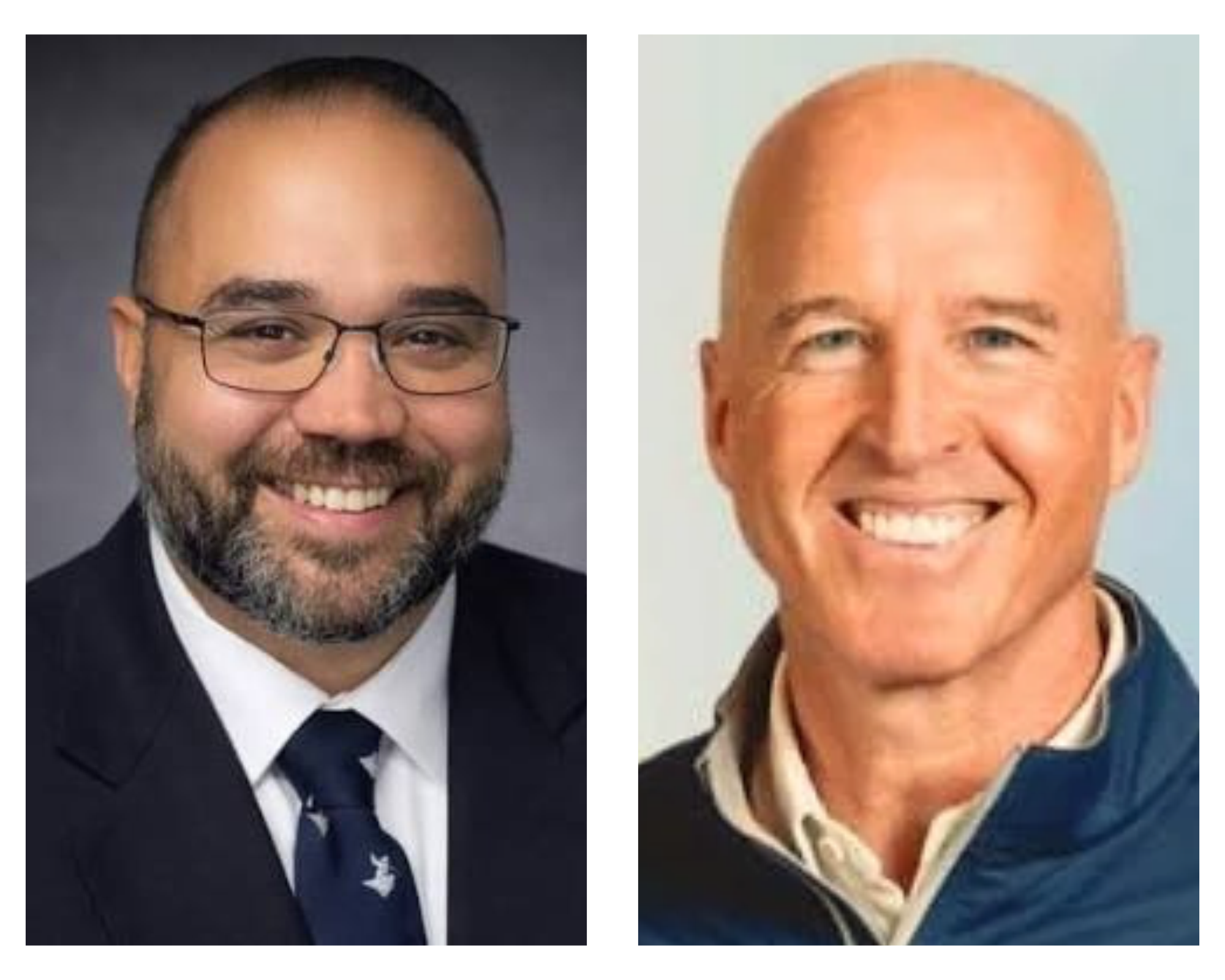
“This is an important chance for students, families, educators, and partners across Massachusetts to share different perspectives before the Graduation Council’s final report is released later this year,” said Education Secretary and Graduation Council Co-Chair Dr. Patrick Tutwiler. “The survey allows us to listen carefully, learn from diverse voices, and give everyone an opportunity to shape our final recommendations. I encourage everyone to fill it out and look forward to engaging with more community members.”
The changes stem from a statewide ballot question in the 2024 election, when Massachusetts voters approved eliminating the Massachusetts Comprehensive Assessment System (MCAS) exam as a graduation requirement.
Following the vote, Swampscott School District – like others in the Commonwealth – assumed responsibilities previously managed by the Department of Elementary and Secondary Education (DESE), according to Director of Teaching and Learning Sarah Kent.
Before the November 2024 vote, passing the MCAS was the standard route to competency determination. The statewide testing system measured student achievement and identified schools needing additional support. Students had to pass exams in English language arts, mathematics, and science to earn a high school diploma in Massachusetts.
Now, districts must certify that students have mastered the state’s ninth- and tenth-grade standards in English language arts, math, and science through coursework, assessments, or other locally approved methods.
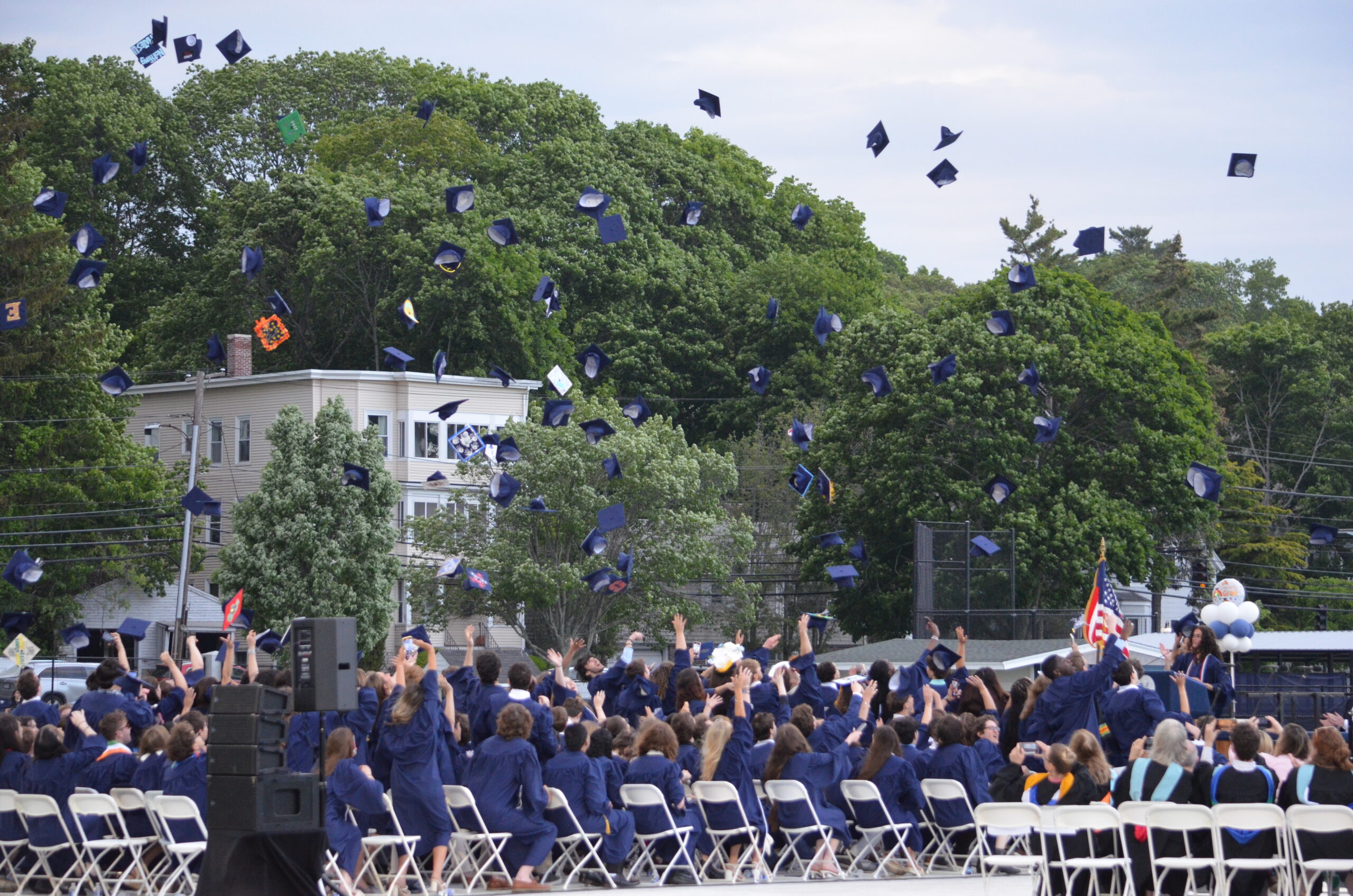
In November, the Swampscott School Committee unanimously approved a one-year plan to certify the class of 2026 for graduation. Under this plan, seniors must meet Swampscott High School’s local credit-based graduation requirements through twelfth grade, as well as a state-required competency determination tied to mastery of ninth- and tenth-grade standards in English, math, and science.
The approved plan allows students to earn competency in each subject by either achieving a qualifying MCAS score from 2022 through November 2024 or demonstrating mastery locally. Local options include passing an assigned intervention, earning an i-Ready score equivalent to grade-level expectations, passing a course final assessment, or completing the next course in a sequence.
The survey is part of a framework established by Healey and the K-12 Statewide Graduation Council in December. The framework includes seven elements designed to help students build a strong academic foundation, demonstrate mastery of course content, express creativity, and develop real-world problem-solving skills.
“It’s vital for us to have feedback from diverse stakeholders as the Graduation Council finalizes these recommendations,” said Elementary and Secondary Education Commissioner and Graduation Council Co-Chair Pedro Martinez. “This is a rare opportunity for us as a Commonwealth to define readiness for success after graduation, and I am thankful for the work of the Council and others who have contributed to the process so far.”
Information collected from the open survey will inform the Graduation Council’s final recommendations.
“High school rigor is a predictor of whether a student will succeed in college,” said Higher Education Commissioner Noe Ortega. “I’m grateful for the Healey-Driscoll Administration’s commitment to setting strong high school graduation standards and engaging the community on what a Massachusetts high school diploma should mean. Rigorous graduation requirements will benefit students, families, and our Commonwealth for years to come.”
The online survey is open to all and can be found at https://tinyurl.com/Massachusetts-Grad-Survey. The Graduation Council’s report with final recommendations will be released in June.